01
Origin
Curiosity takes shape
LEGO robotics turned my childhood interest in machines into the habit of building, testing and asking better questions.
Five acts · One throughline
My journey, shaped by experiments, useful failures and a growing belief that technology should respond to real needs.
LEGO robotics turned my childhood interest in machines into the habit of building, testing and asking better questions.
Everyday friction became a design brief for me: can a mechanism, sensor or instruction make this work better?
Arduino, sensors and programming expanded what my prototypes could observe, decide and do.
Agriculture and water conservation shifted my focus from building machines to building meaningful solutions.
My work continues through prototypes, documentation, field learning and steady refinement.
Early chapter
One of my earliest fascinations has been home automation: connecting everyday devices and making them smarter. Lights, appliances, sensors, security systems and environmental controls can become part of an interconnected ecosystem where technology responds to people and their surroundings.
My goal isn't automation for its own sake. It is about building technology that is useful, accessible, energy-conscious and human-friendly. This interest in smart devices also gave me the foundation for understanding IoT — the same principles that connect a light at home can connect sensors in a farm, monitor environmental conditions, or control a water-management system.
A decade in stages
More than a decade of experimenting has given me a unique learning journey. Each stage brought new questions. Each failed prototype brought a new lesson. Each working robot opened the door to another possibility.
The shift from LEGO-based construction to Arduino and programmable electronics changed my underlying question, from "what can I build?" to "what problem can I solve?" That change in mindset is the real achievement of the decade for me.
Recognition
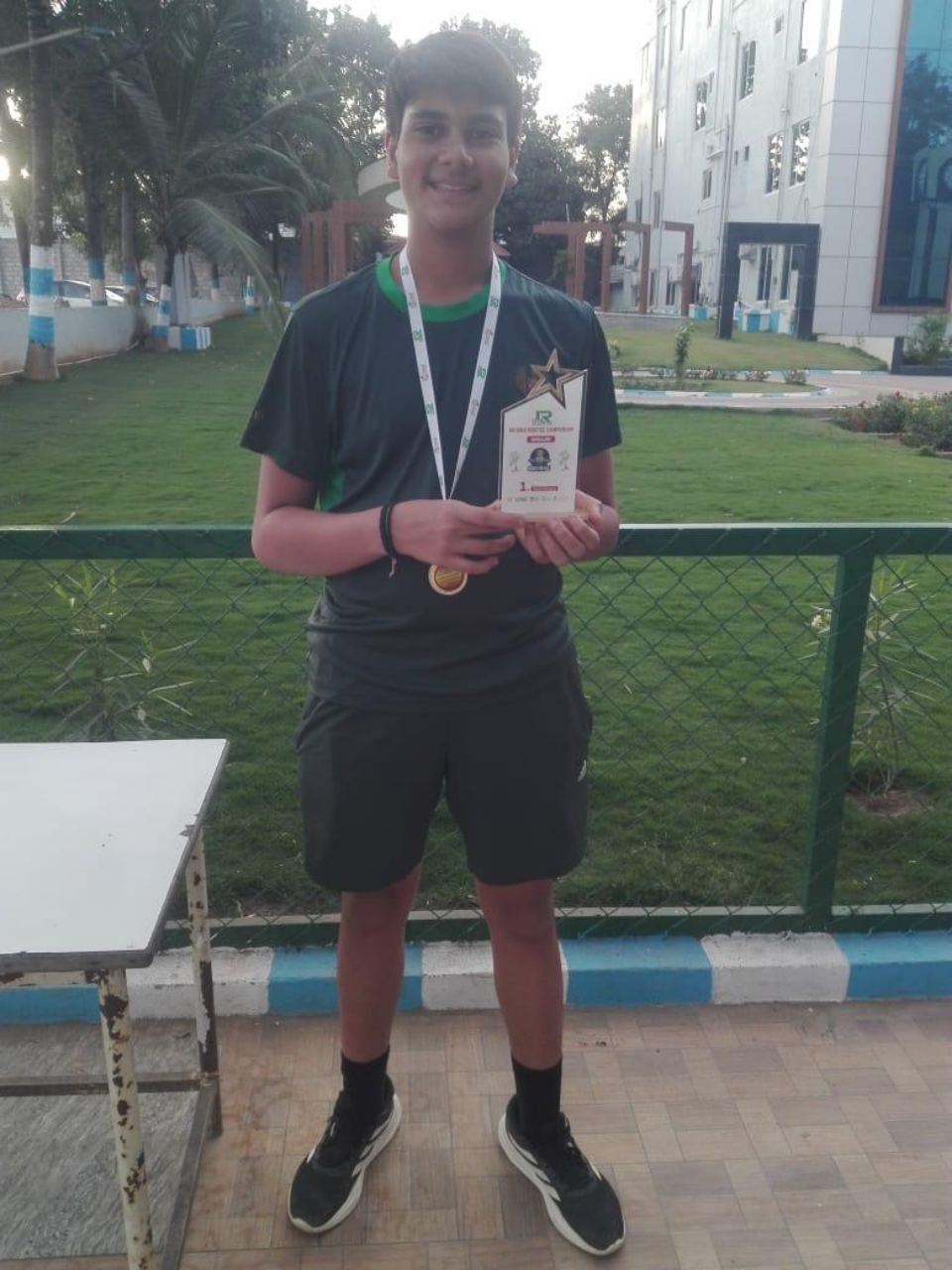
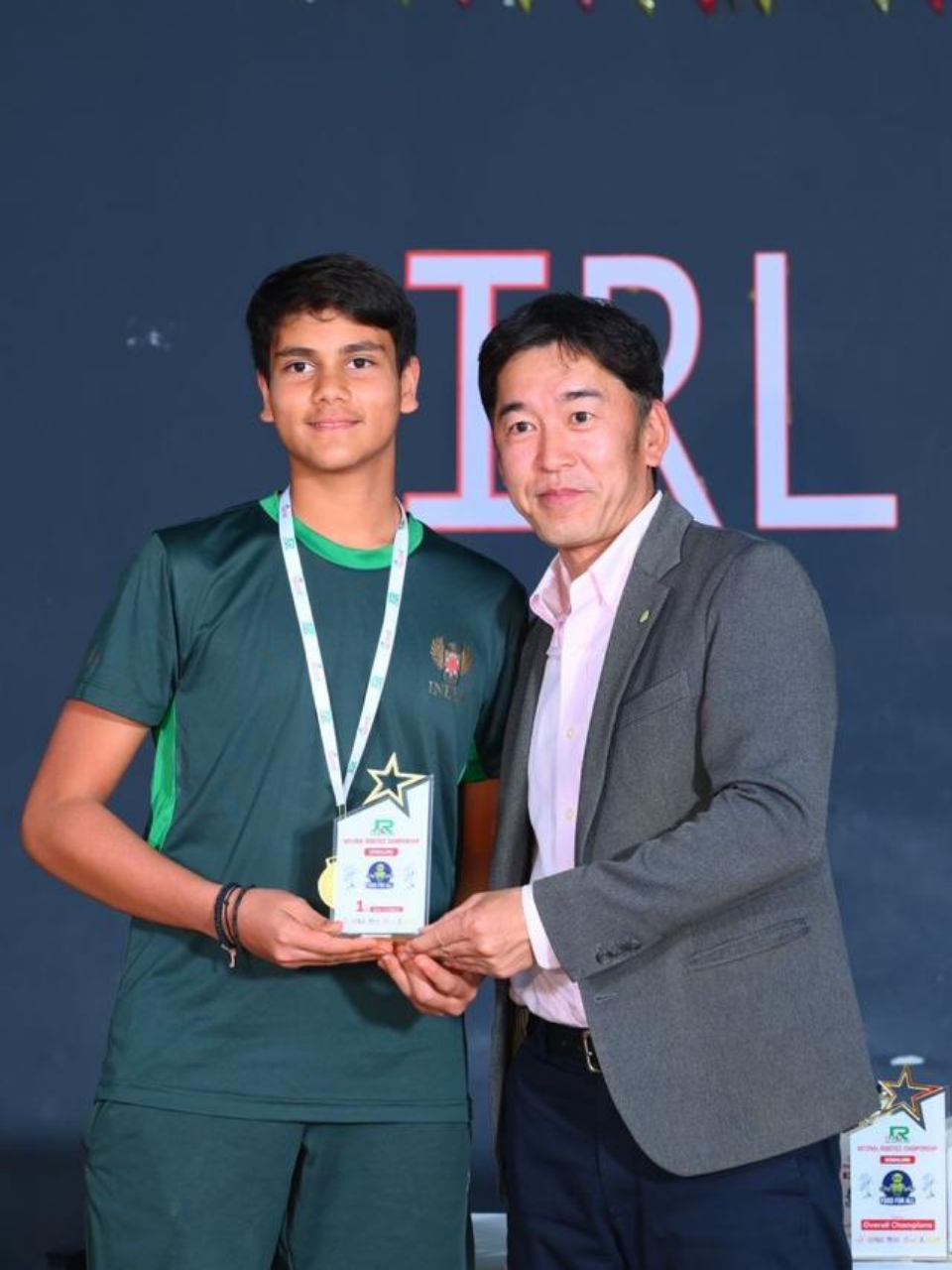
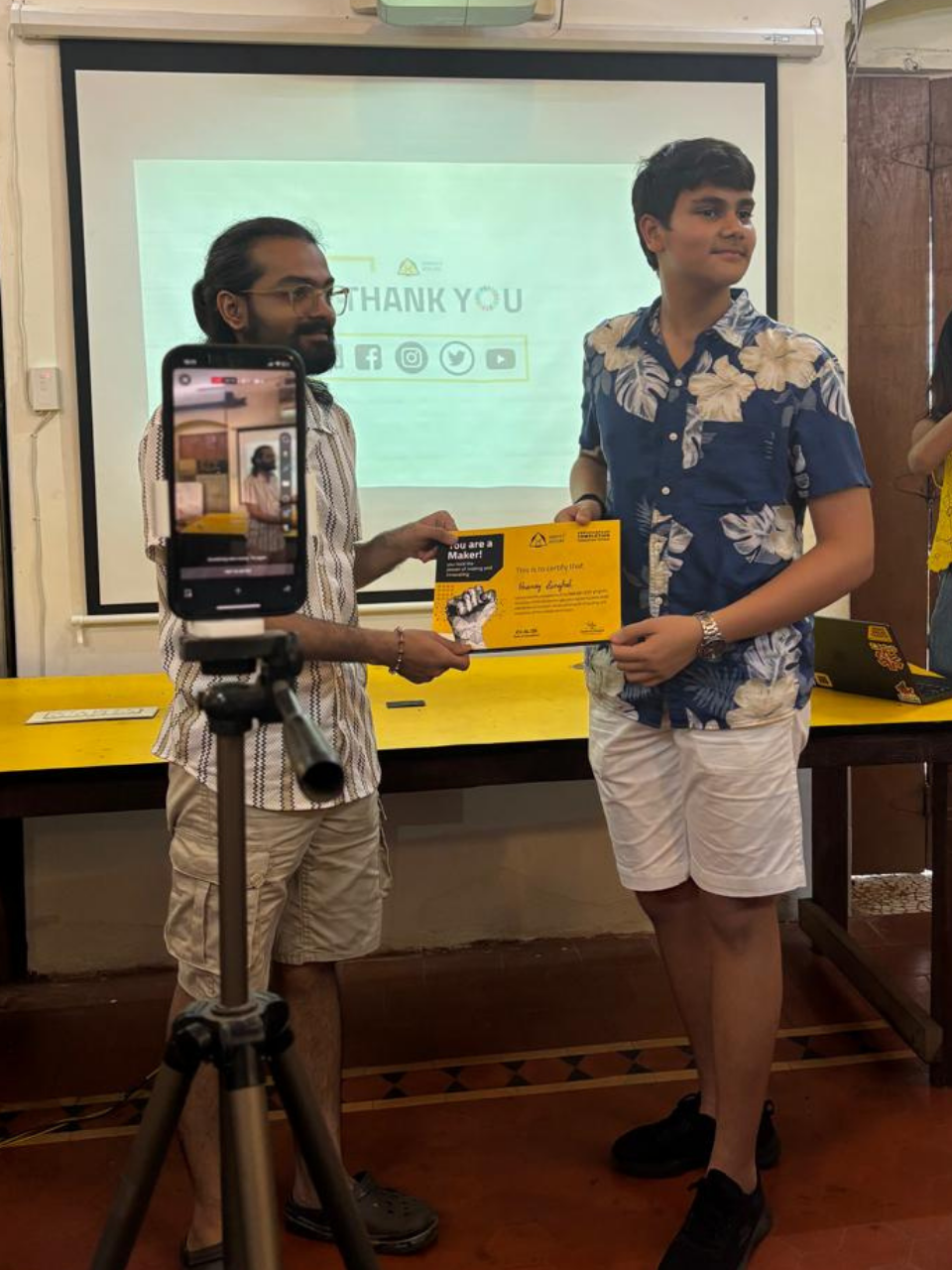
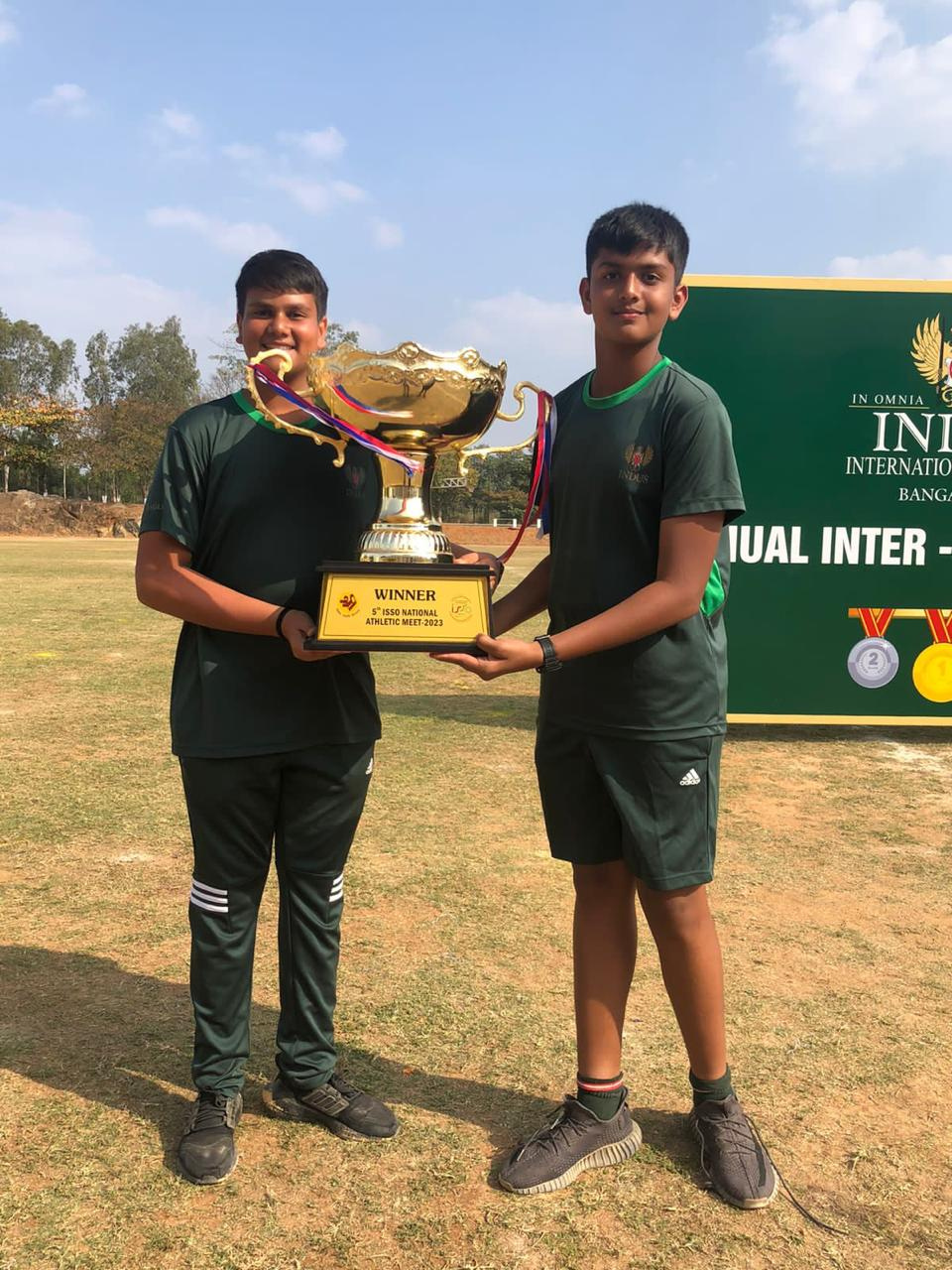
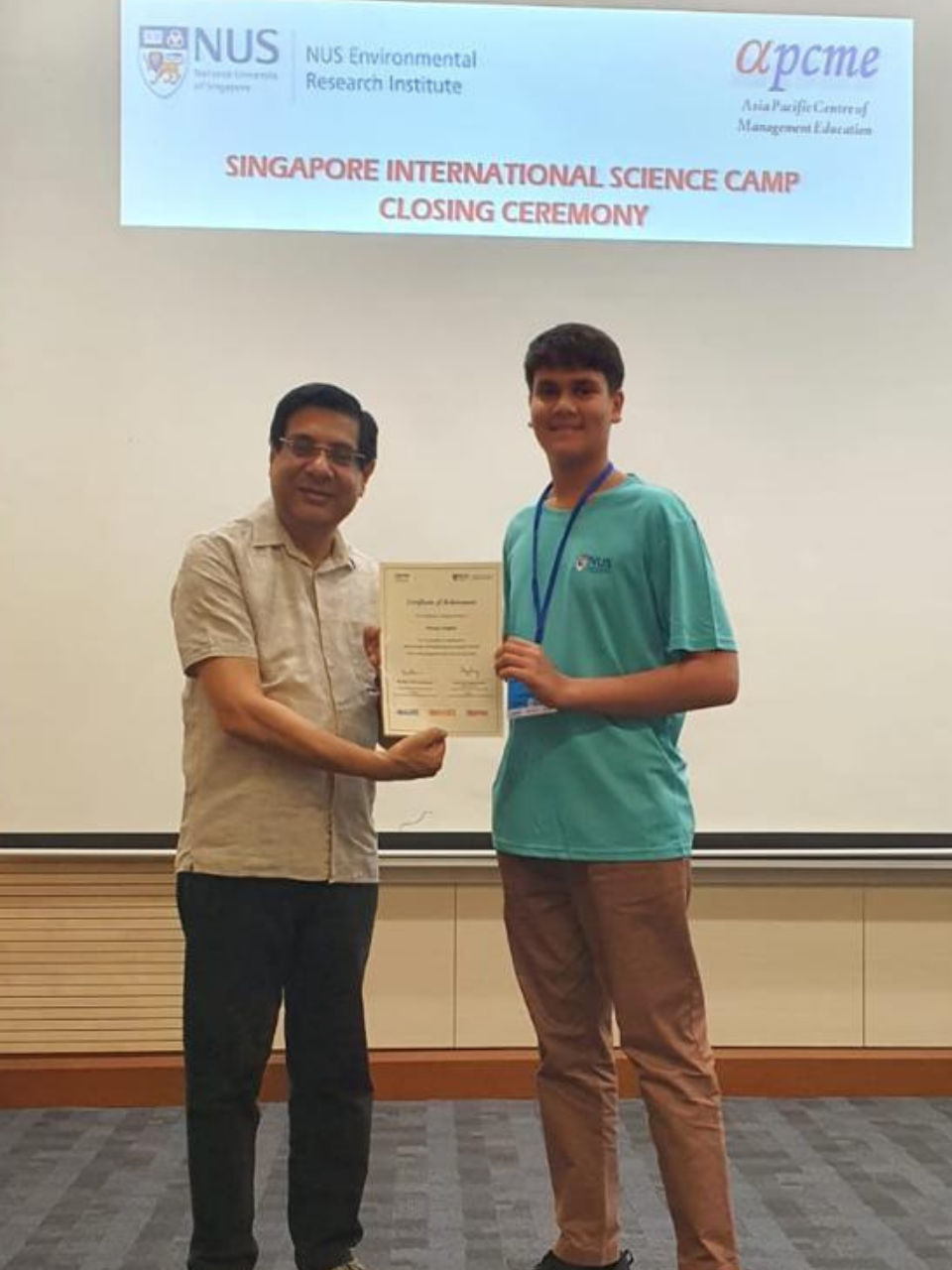
Moments from robotics championships, maker showcases and science programmes — recognition that has followed the work rather than driven it.
Published research · peer-reviewed
My research paper on how blade length and wind speed affect the power a wind turbine can produce—a software simulation run across four locations in India, published in the International Journal for Multidisciplinary Research (IJFMR).
Read the full paper ↗“The point is not to look finished.
The point is to keep moving forward.”
Let's connect
I am open to conversations about robotics, agricultural innovation, sustainability and responsible automation.
Start a conversation